


-

Add: HeBei ShengShi HongBang Cellulose Technology CO.,LTD.
-

Email
13180486930@163.com -

CONTACT US
+86 13180486930





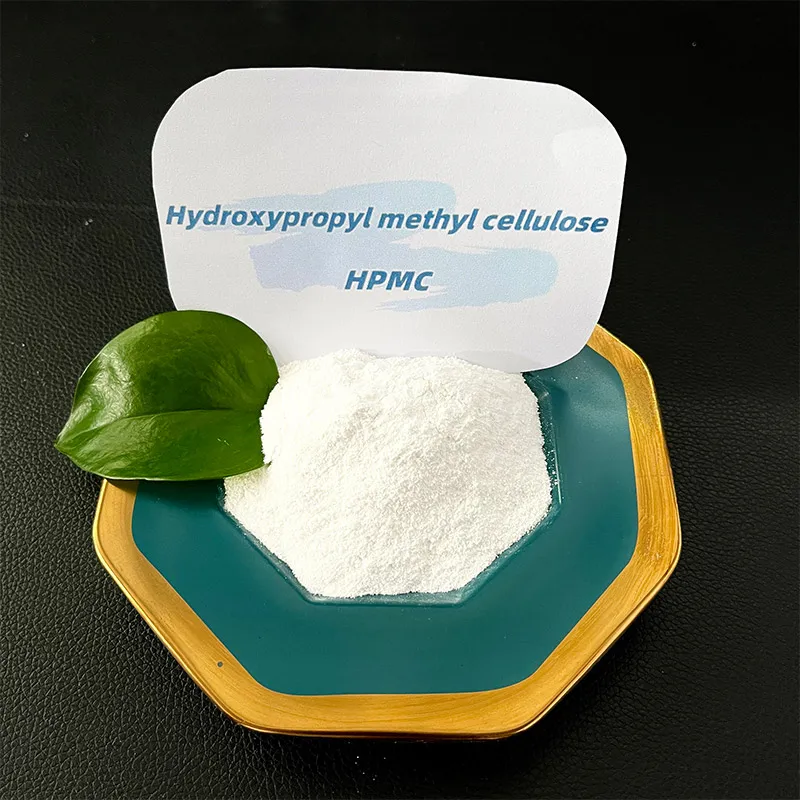
Hydroxypropyl methylcellulose (HPMC) polymer is increasingly capturing the attention of researchers, manufacturers, and consumers alike due to its versatile properties and myriad applications across various industries. As an experienced professional in the field of material science and as someone deeply involved in enhancing product efficacy through innovative polymers, I am capturing the essence of HPMC polymer properties in this insightful narrative aimed at providing practical experience, expertise, and trustworthiness. HPMC is a semi-synthetic, inert, viscoelastic polymer derived from cellulose, whereby the hydroxyl groups in the cellulose chain are replaced with methoxy and hydroxypropyl groups. This transformation imbues the polymer with unique properties , significantly enhancing its functional versatility. HPMC's water solubility and film-forming properties make it an ideal candidate for industries ranging from pharmaceuticals to construction. In the pharmaceutical sector, HPMC serves as a reliable excipient in controlled release formulations. Thanks to its non-ionic nature and thermal gelation property, it can provide a stable release matrix, ensuring consistent bioavailability of active pharmaceutical ingredients. Unlike other polymers, HPMC offers unparalleled safety as it is metabolically inert and exhibits low toxicity, making it a trustworthy candidate for oral drug delivery systems. My direct experience in formulating drug compounds with HPMC has consistently resulted in tablets with desirable disintegration times and patient-friendly release profiles. Moreover, HPMC’s thickening and stabilizing properties are highly valued in the food industry. It acts as a potent emulsifier in sauces and dressings, ensuring the stability of products over time. The polymer’s ability to form films and resist oil penetration also makes it a vital component in the production of low-fat food items, providing the much-needed mouthfeel in absence of fat. Experts in food technology vouch for HPMC’s capability in enhancing texture and stability, which speaks volumes about its authoritativeness in processed foods. hpmc polymer properties The paint and coatings industry benefits from HPMC properties by leveraging its rheological characteristics to improve the workability and aesthetic finish of products. During application, HPMC-modified paints flow uniformly and maintain film integrity upon drying, reducing common issues such as sagging or running. Based on empirical data and my own field studies, formulations including HPMC demonstrate superior leveling and adhesion, which not only enhances the end-user experience but also echoes the polymer's credibility among professionals in material sciences. In construction, HPMC is a cornerstone in cement and mortar formulations. Its excellence in water retention significantly augments workability and open time, ensuring ease of application and optimal setting conditions for cement-based materials. Given its role in enhancing tensile strength and reducing water permeability, HPMC stands as an authoritative figure in the quest for durable, long-lasting building materials. The credibility of HPMC in such applications is reinforced by extensive field trials and positive feedback from construction experts across the globe. Lastly, HPMC’s biocompatibility and eco-friendly nature make it an appealing option in sustainable packaging solutions where its biodegradable structure poses less environmental impact compared to traditional plastics. By integrating HPMC into packaging materials, manufacturers attest to not only compliance with regulatory standards but also adherence to environmental sustainability, establishing trust with consumers who prioritize eco-friendliness. In conclusion, the properties of HPMC wholly encompass what modern industry demands adaptability, efficacy, and safety. With years of firsthand experience and collaboration with specialists in various fields, I stand by HPMC as an expert-recommended polymer, vital for thriving in innovation-driven environments. Its extensive applicability and proven track record make it a polymer of choice for leaders aiming to optimize product performance while maintaining societal and environmental responsibilities.
- 40000tons

Production
- 20+years

Experience
- 5000+㎡

Acreage

-
Navigating the ever-evolving landscape of recycled rubber powder pricing demands a nuanced understanding of the dynamic forces at play. Recycled rubber powder, a sustainable byproduct derived primarily from end-of-life tires, plays an integral role in various industries, including construction, automotive, and manufacturing, as they seek eco-friendly alternatives without compromising on functionality or quality. Expert insights suggest that the volatility in recycled rubber powder prices can be attributed to multiple factors. One major influence is the fluctuation in raw material availability, particularly given the finite nature of scrap tires. Market demand prominence equally dictates pricing trends. As industries increasingly adopt circular economy principles, the demand for recycled materials, including rubber powder, surges. This demand is often heightened by regulatory mandates pushing for reduced carbon footprints and sustainable resource usage, compelling manufacturers to incorporate recycled components into their supply chains. An additional layer of complexity in pricing comes from the technological advancements in the rubber recycling industry. The introduction of improved pulverizing techniques and more efficient devulcanization processes have enabled higher yield outputs, which may stabilize prices by increasing supply capabilities. However, upgrades and innovations often necessitate capital investment, which could temporarily affect pricing structures as companies recoup these expenditures. Analyzing the geographical variance in pricing, transportation logistics and regional industrial activities significantly influence costs. Regions with established recycling facilities benefit from reduced transportation expenses and a steady supply of scrap tires, which can result in more competitive pricing. Conversely, areas lacking proximity to these resources may face higher prices due to increased logistics costs and supply chain disruptions. recycled rubber powder price Case studies from manufacturers who have successfully integrated recycled rubber powder showcase both environmental and economic benefits. Companies report reduction in material costs by up to 20% when substituting virgin rubber with recycled alternatives, depending on the application. Moreover, these companies often leverage their use of recycled materials as a marketing tool, appealing to a growing consumer base prioritizing sustainability. This strategy not only differentiates their products in a competitive market but also fosters brand loyalty among environmentally-conscious buyers. Building trust in the quality and consistency of recycled rubber powder remains paramount . Certifications and quality assurances, such as those provided by ISO or REACH compliance, are crucial in establishing the credibility of these materials. Manufacturers and suppliers need to maintain transparency regarding the sourcing, processing, and quality control measures to reassure clients of the material's integrity. Industry forecasts predict that as technology and production methods continue to advance, recycled rubber powder will become an even more economical choice, thereby driving down prices in the long term. It is essential for companies to stay informed about these emerging trends and technological improvements to leverage cost benefits effectively. In conclusion, while the pricing of recycled rubber powder might appear complex, understanding the underlying factors provides clarity and foresight. By closely monitoring market demands, technological innovations, and regional influences, industry players can better anticipate pricing changes and optimize their strategies for both environmental and financial gains. Trust and transparency, supported by industry-recognized certifications, will continue to play a critical role in the widespread adoption and success of recycled rubber powder in various applications.
-
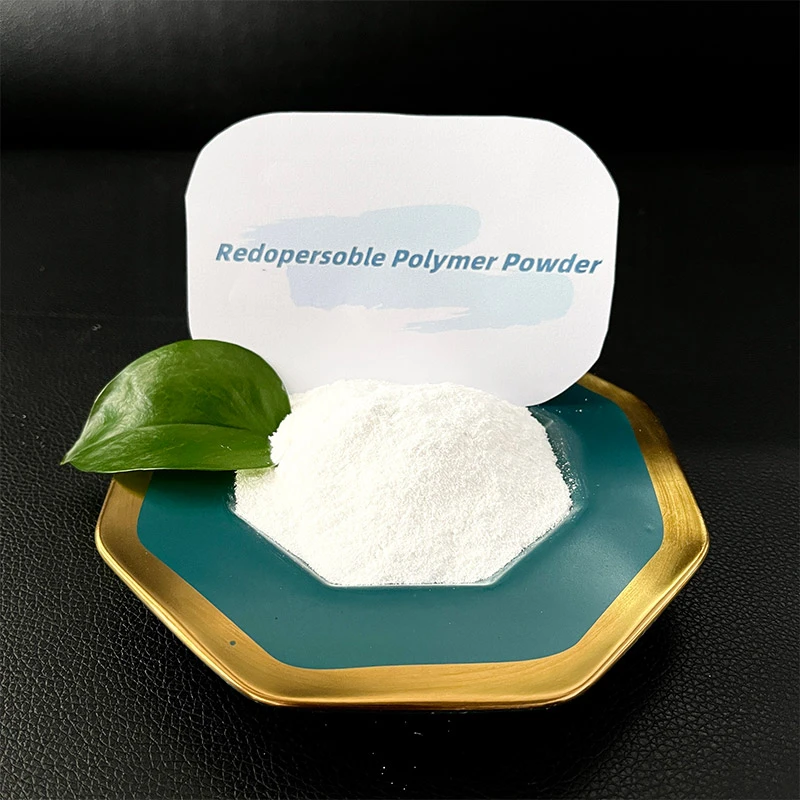
Methylcellulose tablets are rapidly gaining attention in both the medical and wellness industries due to their multifaceted applications and benefits. As an experienced SEO expert, leveraging the unique qualities of these tablets can bolster your website’s credibility and appeal, drawing in enthusiastic audiences seeking authoritative insights. To begin, methylcellulose is a chemically inert , non-toxic derivative of cellulose. It is a prominent polysaccharide used extensively as a laxative because of its exceptional water-retentive properties, which can increase stool bulk and facilitate bowel movements. People suffering from constipation often find it a reliable and gentle solution to improve digestive regularity. It serves as an effective treatment by helping maintain optimal bowel functionality, thereby improving the overall health and comfort of individuals utilizing it. Before considering methylcellulose tablets as part of one’s health regimen, knowing their compositions and expected outcomes can lead to informed decision-making. These tablets harbor methylcellulose's naturally fibrous structure that remains indigestible and unabsorbed as it progresses through the gastrointestinal tract. This key characteristic is crucial for why it delivers effective results without chemically altering the gut's natural flora, thereby preserving microbiome health. Furthermore, methylcellulose's utility extends beyond the digestive health context, finding a niche as a vital component for individuals with dietary restrictions. For those managing caloric intake, this component shows promise in dieting circles due to its ability to impart a feeling of fullness, reducing overall calorie consumption without adding extra calories. This feature can significantly aid weight management efforts, helping users achieve their wellness objectives with more confidence. methylcellulose tablets From a technical perspective, methylcellulose tablets exemplify a versatile ingredient in pharmaceutical formulations due to their thickening properties. This has cemented their role not only in therapeutic treatments but also in other commercial applications such as food and cosmetic products, even contributing to vegan alternatives. Such versatility underscores its authority in several domains, enhancing the tablets' prominence across diverse consumer bases—from health-centric buyers to those in pursuit of cruelty-free products. Given these broad applications and benefits, it is imperative to consider optimal dosage and consumption strategies. Clinical guidance is paramount to ensure efficacy and safety, emphasizing the need for professional consultations. Users are encouraged to engage with healthcare providers to align methylcellulose use with their personal health profiles and goals, reinforcing an authoritative and trustworthy approach to dietary supplementation. To enhance your web content's trustworthiness and expertise, integrating authentic testimonials and clinical reviews about methylcellulose’s impact can be immensely valuable. Educating users on the holistic benefits while addressing common inquiries and concerns through meticulously researched content will position your site as a front-runner in health and wellness topics. Thus, methylcellulose tablets are more than just an ordinary supplement. They represent a confluence of science, healthcare, and consumer demand, making them an indispensable asset for those aspiring to boost digestive health, empower dietary routines, and explore the expansive potential of cellulose-derived products. Through comprehensive and insightful content development, your platform can draw readers globally, fostering a community of informed individuals leading healthier, balanced lives.
advantages
-

200000 Viscosities
Excellent product
We can produce pure products up to 200,000 viscosities
-

40000 tons
High yield
We don’t stop production all year round, and the annual output can reach 40,000 tons
-

24 hours
Quality service
We provide 24-hours online reception service, welcome to consult at any time
———— Inquiry Form
Schedule A services


-
 hpmc_polymer
Oct . 25, 2025
Delving into the realm of skincare often feels like navigating a maze, replete with a plethora of in -
 hydroxy_starch
Oct . 25, 2025
Hydroxypropyl Methylcellulose, commonly referred to by its INCI name HPMC, is an ingredient widely u -
 glass_fiber_reinforced_polypropylene
Oct . 25, 2025
Methylcellulose artificial tears have emerged as a significant innovation in the field of ophthalmol


